
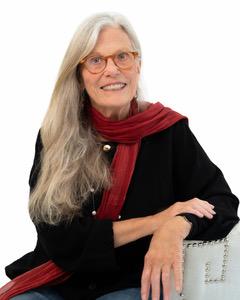
By Katie Green FSA Member
Storytelling is a major part of my life. It always has been. Now, in my 80’s, I am amazed and thankful that stories and storytelling continue to enrich my life.
There was a time when the storyteller traveled from town to town, carrying tales, entertaining people. Years ago, people sat together and told stories at the general store or on the front porch. Today, most of our stories come from books, television and the internet.
Because we hear so many stories on mass media, our own stories may become undervalued. It is not unusual for me to hear a person say, “I’m not a storyteller.” Not every person who tells stories is a professional storyteller, but everyone is a storyteller. We talk about what we’ve done, what has happened in our lives, we share our hopes and fears. We are all storytellers.
The stories we hear as children help to form our perceptions of the world. Stories tell us what life is about and offer ways to react to experiences. The stories we tell define who we are and what is important to us. When we, as a culture, lose awareness of the stories we are being told, and when we do not consider the intention of the storyteller, we are in trouble. When television and the internet become the children’s main storyteller, we are lost.
Most families have a person who is the storyteller – the person who remembers the family history and can tell of past events. Family dinner time and special occasions can be rich with storytelling. This type of storytelling is the glue that keeps families together. It reminds us of who we are and what we’ve been through. These stories honor past accomplishments and can heal past wounds. We tell stories about what is important to us.
There are as many kinds of storytellers as there are kinds of stories. Some children are fortunate to have a storyteller-teacher. Clergy and attorneys are storytellers. Therapists may use stories and storytelling. And, of course, politicians can be skilled influential storytellers. Stories can, and do, change the world.
Seasoned, professional storytellers develop their own creative process, and each story may require variations in their creative process. Crafting a story for performance requires hours, weeks, sometimes years of work from the conscientious teller: researching history, comparing similar stories, crafting the story structure, character development, practicing, and a lot of good coaching.
Everyone needs stories every day: oral stories and written stories too. Reading aloud is a wonderful way for adults and families to spend an evening and share interests. Don’t stop reading to your children because they have learned how to read! And please do not overlook the importance of oral storytelling. Listening and telling stories greatly enhances literacy and creativity.
Tell your own stories – made up ones, and real-life stories too. As a child, I listened to Gramma and Papa Joe tell me stories on the porch in Meadowview, Virginia. When I was tucked into bed my mother (or occasionally my father) read me two stories: one from the Children’s Bible and one from a storybook. Before we said my nighttime prayers (Now I lay me down to sleep. . . ) and blessed people and pets we loved, my mother always “storied” my day. She named the things I had done that day and reviewed what might happen tomorrow. I think that the storying of my day was one of the greatest gifts my mother gave me.
In the best of all possible worlds, each child would end the day with a story. Adults would gather in the center of town or in a neighbor’s home to share stories with each other. We are fortunate that storytelling opportunities still exist.
You are welcome at the Interfaith Story Circle which meets monthly in Dunedin, Florida. Please contact Katie Green at katiegreenstories@gmail.com for more information. Story-swaps are held monthly at SHAMC in Safety Harbor (https://www.safetyharborartandmusiccenter.com/) and also at the Jack Kerouac House in St Petersburg (https://stpetekerouachouse.com). The Tampa Bay Storytellers in St. Petersburg (https://www.suncoaststorytellers.org/)offer events live and online. The National Storytelling Network (https://storynet.org/) maintains a calendar of storytelling events online, and the Florida Storytelling Association (https://flstory.com/) sends out their blog on request.
All FSA members and other storytellers are welcome to submit articles for our blog. Please do, and send your story to wbelcher47@yahoo.com
Dear Katie,
Thank you for this defense of the value of storytelling in our lives. I am grateful you had the rich upbringing where stories guided your life.
Dear Katie,
Thank you for the beautiful tribute to storytelling. How appropriate that it is posted on Thanksgiving. The art of storytelling is something to be grateful for. It has brought so much joy to the world as you express so well in your post.